If you want to keep playing your favorite sports without constantly worrying about getting hurt, sports injury rehabilitation is key. By focusing on strengthening, flexibility, and mobility, you can prevent future injuries from slowing you down physio rehab center.
This article will show you how to stay in the game and enjoy the freedom of being active without the fear of setbacks.
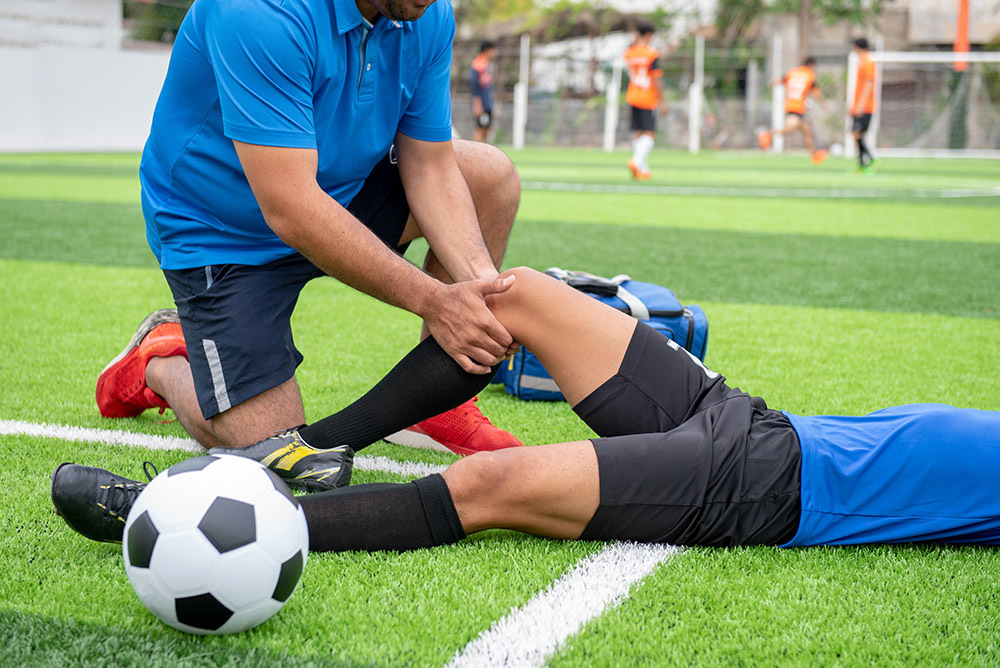
Importance of Sports Injury Rehabilitation
By prioritizing sports injury rehabilitation, you can significantly reduce the risk of recurring injuries and improve your overall athletic performance. Engaging in proper rehabilitation not only speeds up your recovery but also strengthens your muscles and joints, making them more resilient to future injuries.
It gives you the freedom to push your limits without the fear of setbacks, allowing you to excel in your sport with confidence. Through targeted exercises and therapies, you can address the root cause of your injury, preventing it from haunting you in the future.
Embracing sports injury rehabilitation empowers you to take control of your athletic journey, ensuring that you can perform at your best without being held back by lingering pains or limitations.
Benefits of Proper Rehabilitation
When you engage in proper rehabilitation after a sports injury rehabbee physiotherapy, you can experience faster recovery and strengthen your muscles and joints to prevent future injuries. By following a tailored rehabilitation program, you not only aid your body in healing but also enhance its resilience. Proper rehabilitation helps you regain strength, flexibility, and coordination, essential for preventing re-injury.
Additionally, it allows you to address any underlying issues that may have contributed to the initial injury, reducing the risk of it happening again. Embracing rehabilitation exercises and techniques empowers you to take control of your recovery journey. With dedication and consistency, you can’t only bounce back from your current injury but also fortify your body against potential harm in the future.
Role of Strength Training in Prevention
Engaging in strength training plays a crucial role in preventing future sports injuries by enhancing your body’s resilience and fortifying muscles and joints. By incorporating strength exercises into your routine, you not only build muscle strength but also improve joint stability and flexibility.
This increased strength helps support your body during physical activities, reducing the risk of injuries caused by weakness or instability. Moreover, strengthening muscles around vulnerable areas can provide added protection and support, decreasing the likelihood of strains or sprains. Including a variety of exercises that target different muscle groups can help create a well-rounded strength training program that benefits your overall athletic performance and minimizes the chances of future injuries.

Incorporating Flexibility and Mobility Work
To prevent future injuries, strength training must be complemented with incorporating flexibility and mobility work into your routine for a well-rounded approach to enhancing athletic performance and reducing the risk of sports-related injuries.
Adding flexibility exercises like dynamic stretches, yoga, or Pilates can improve your range of motion, joint stability, and overall muscle function. Mobility work, such as foam rolling or mobility drills, helps maintain proper movement patterns and prevents muscle imbalances.
Utilizing Corrective Exercises for Prevention
By incorporating corrective exercises into your routine, you can proactively address movement imbalances and enhance your body’s resilience against future sports injuries. These exercises target specific muscle groups and movement patterns that may be contributing to your risk of injury.
By focusing on form and technique, you can retrain your body to move more efficiently and reduce the likelihood of overuse injuries. Corrective exercises also help improve your body awareness, allowing you to recognize and address potential issues before they escalate into serious injuries.
Incorporating these exercises into your regular training can help you build a strong foundation and prevent setbacks that may hinder your athletic performance. Take control of your health and fitness by integrating corrective exercises into your workout routine.
Conclusion
By prioritizing sports injury rehabilitation, you can prevent future injuries and improve your overall athletic performance. Proper rehabilitation not only helps you recover from current injuries, but also strengthens your body to reduce the risk of future setbacks.
Incorporating strength training, flexibility work, and corrective exercises into your routine will help you stay healthy and active for years to come.
Stay committed to your rehabilitation process and reap the benefits of injury prevention in the long run.
About The Author